We use cookies to ensure our site functions properly and to store limited information about your usage. You may give or withdraw consent at any time. To find out more, read our privacy policy and cookie policy.
Manage Cookies
A cookie is information stored on your computer by a website you visit. Cookies often store your settings for a website, such as your preferred language or location. This allows the site to present you with information customized to fit your needs. As per the GDPR law, companies need to get your explicit approval to collect your data. Some of these cookies are ‘strictly necessary’ to provide the basic functions of the website and can not be turned off, while others if present, have the option of being turned off. Learn more about our Privacy and Cookie policies. These can be managed also from our cookie policy page.
Strictly necessary cookies(always on):
Necessary for enabling core functionality. The website cannot function properly without these cookies. This cannot be turned off. e.g. Sign in, Language
Analytics cookies:
Analytical cookies help us to analyse user behaviour, mainly to see if the users are able to find and act on things that they are looking for. They allow us to recognise and count the number of visitors and to see how visitors move around our website when they are using it. Tools used: Google Analytics
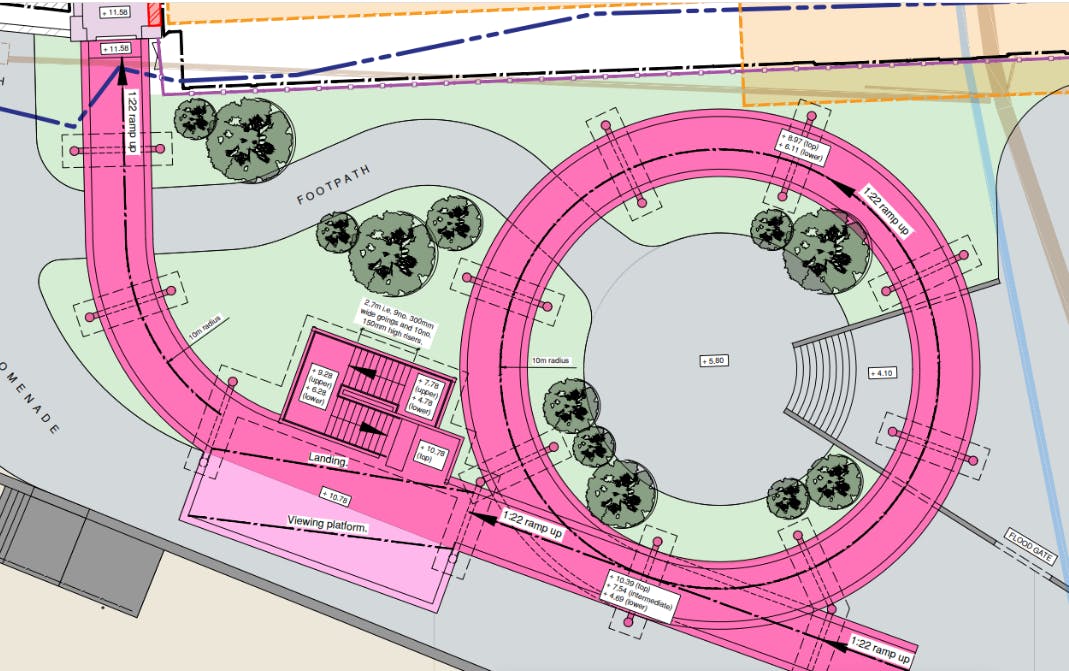
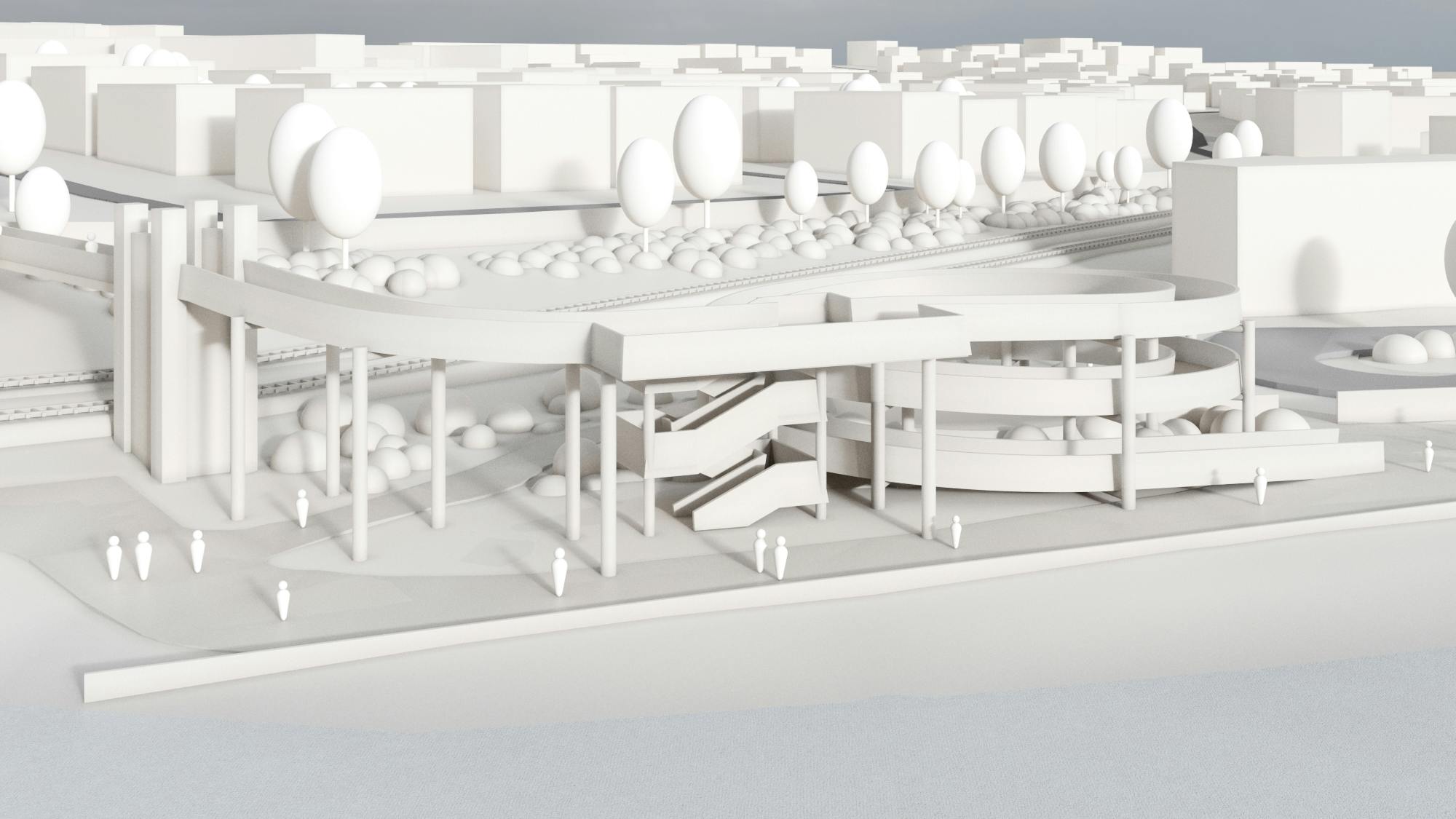
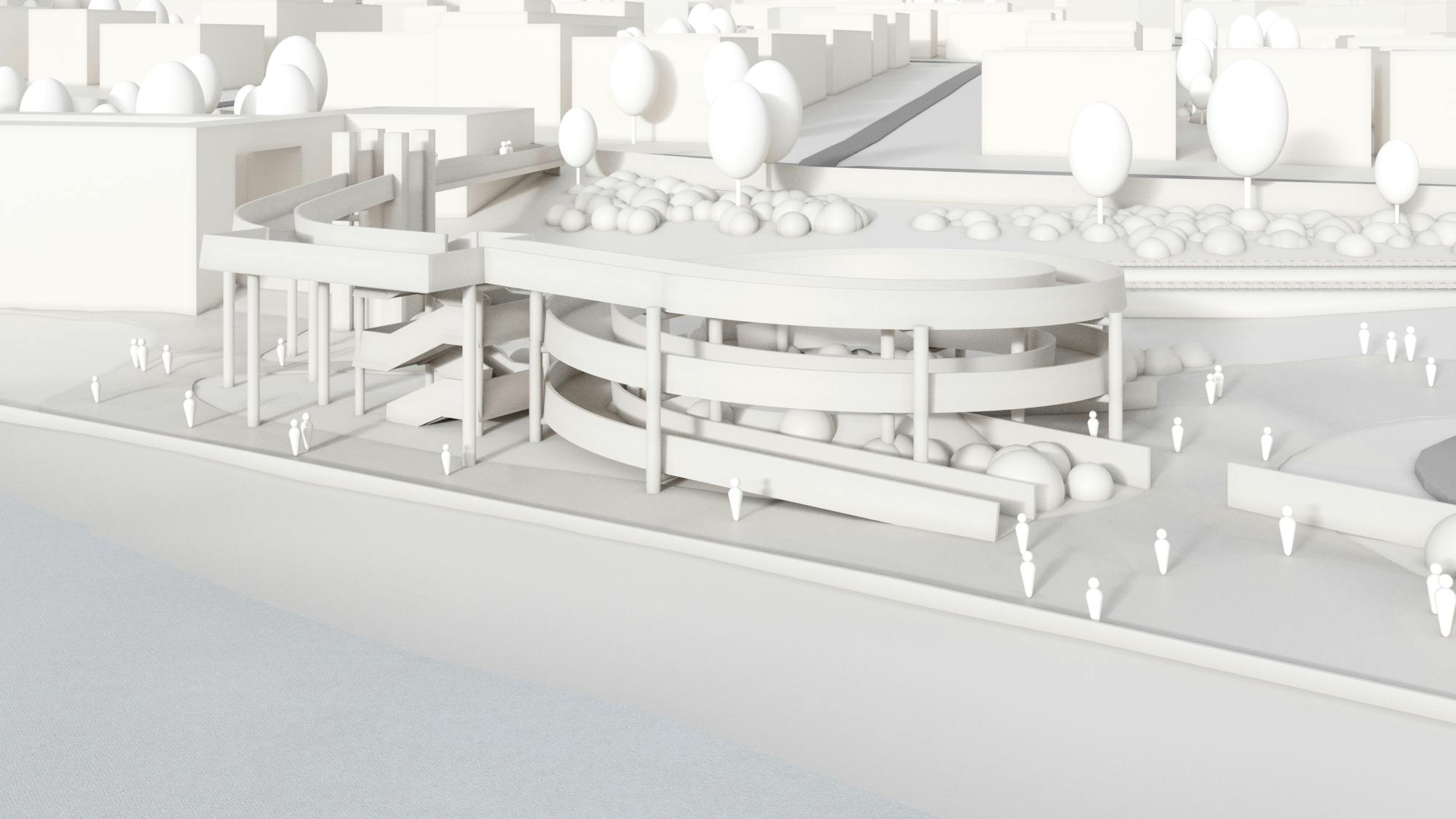
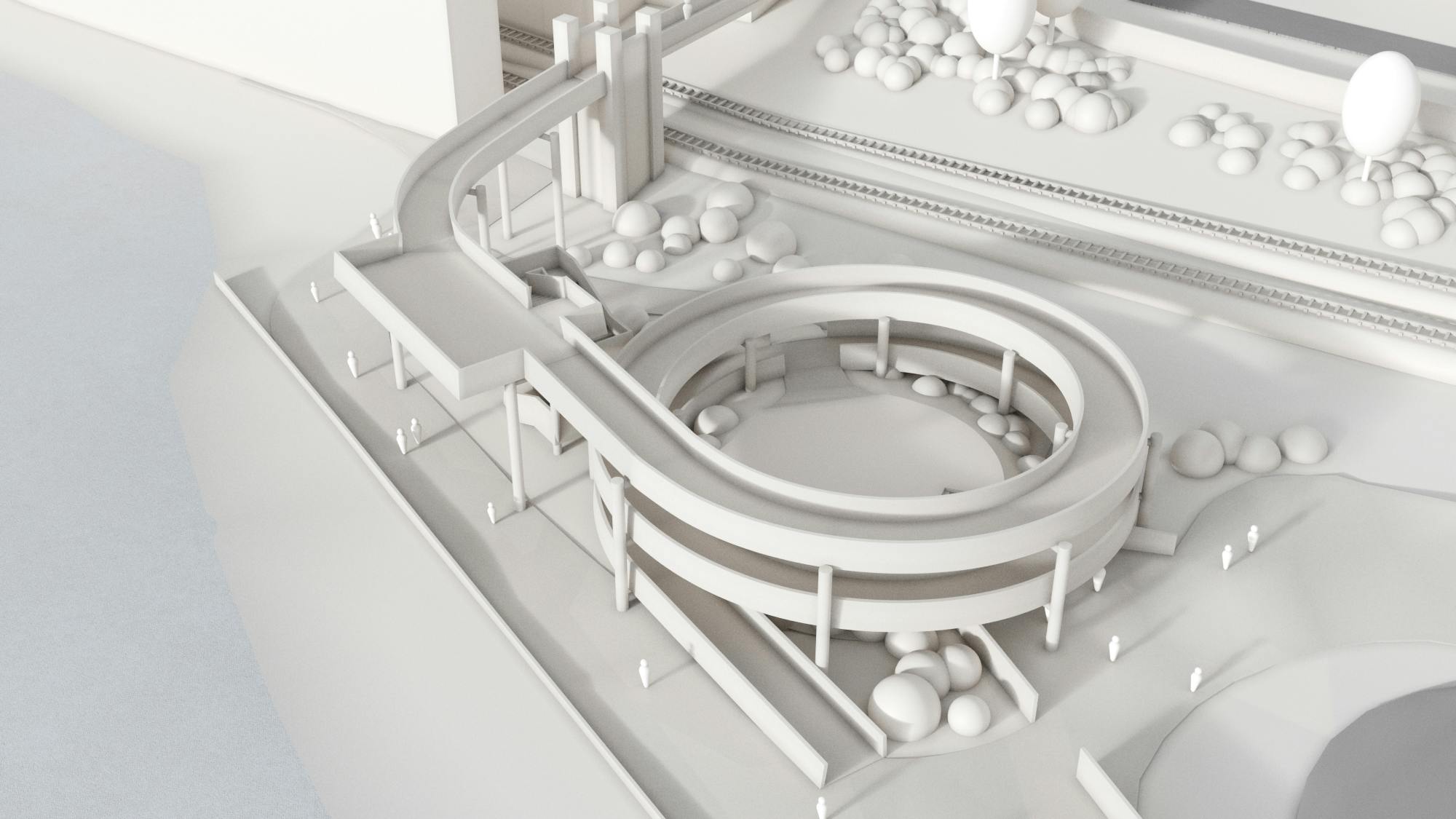
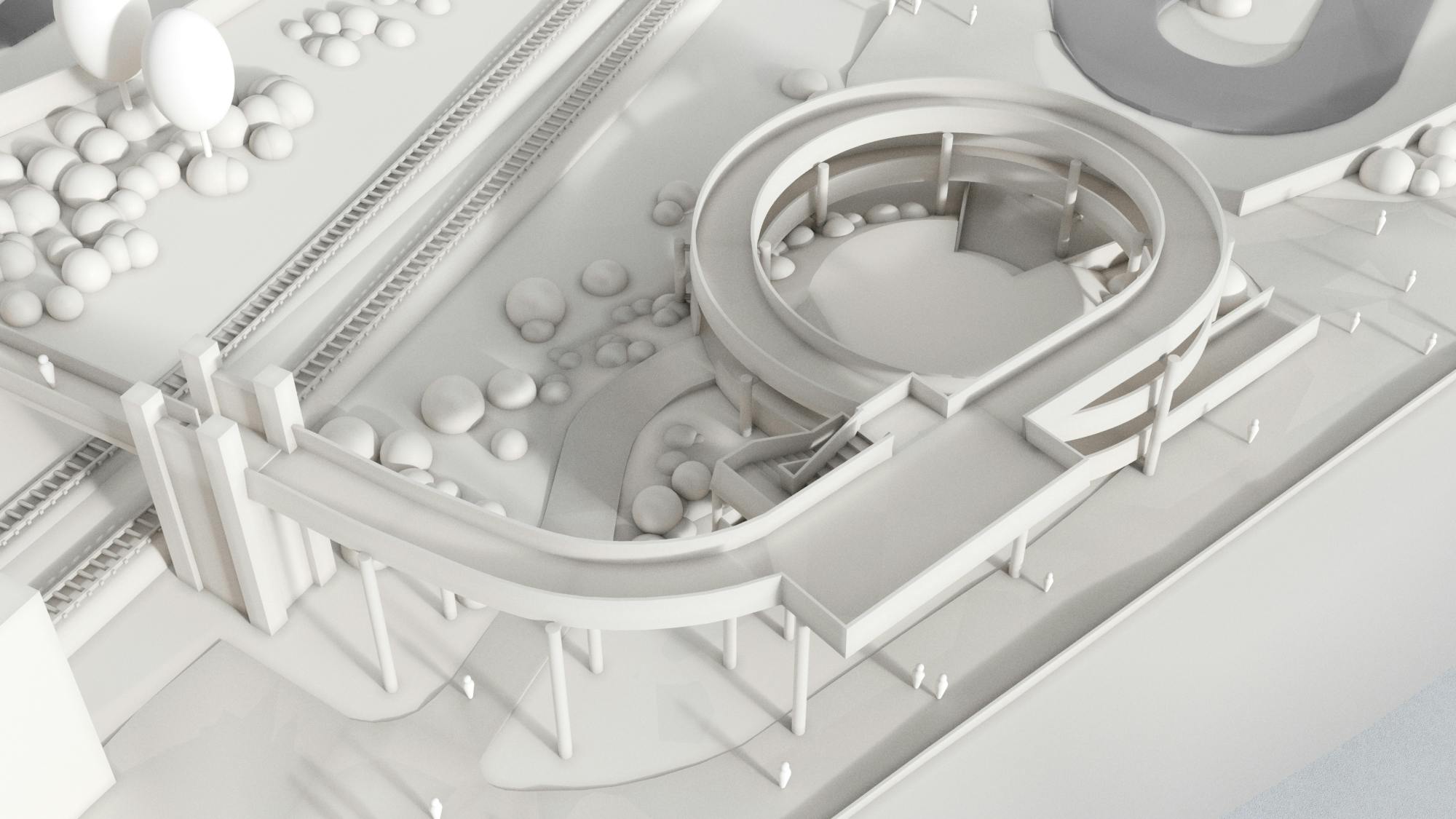
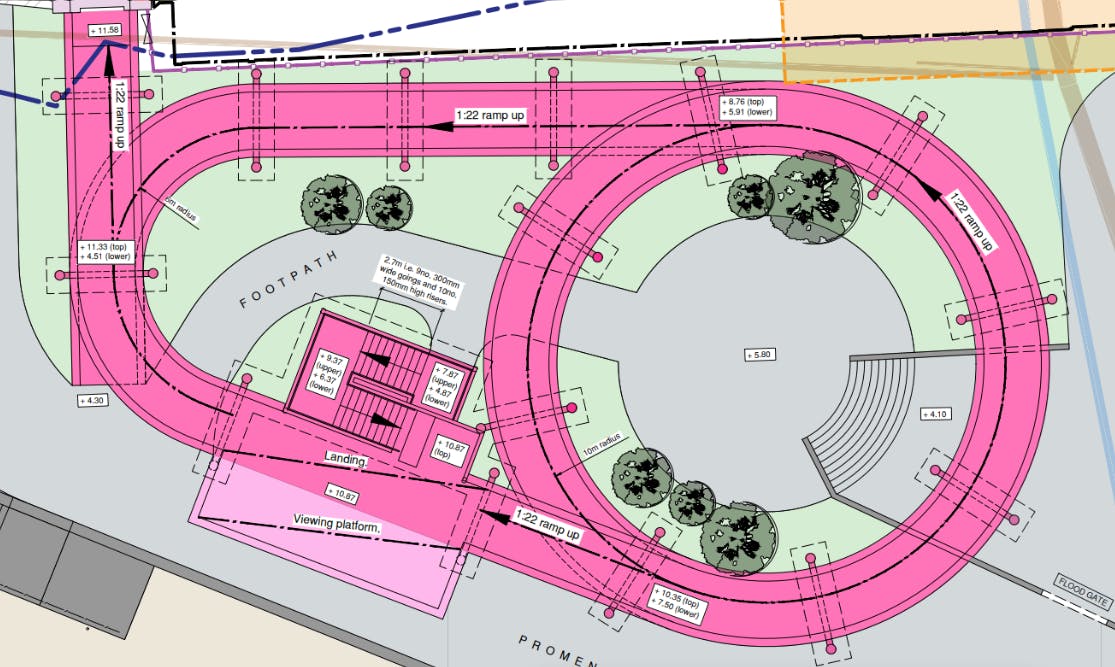
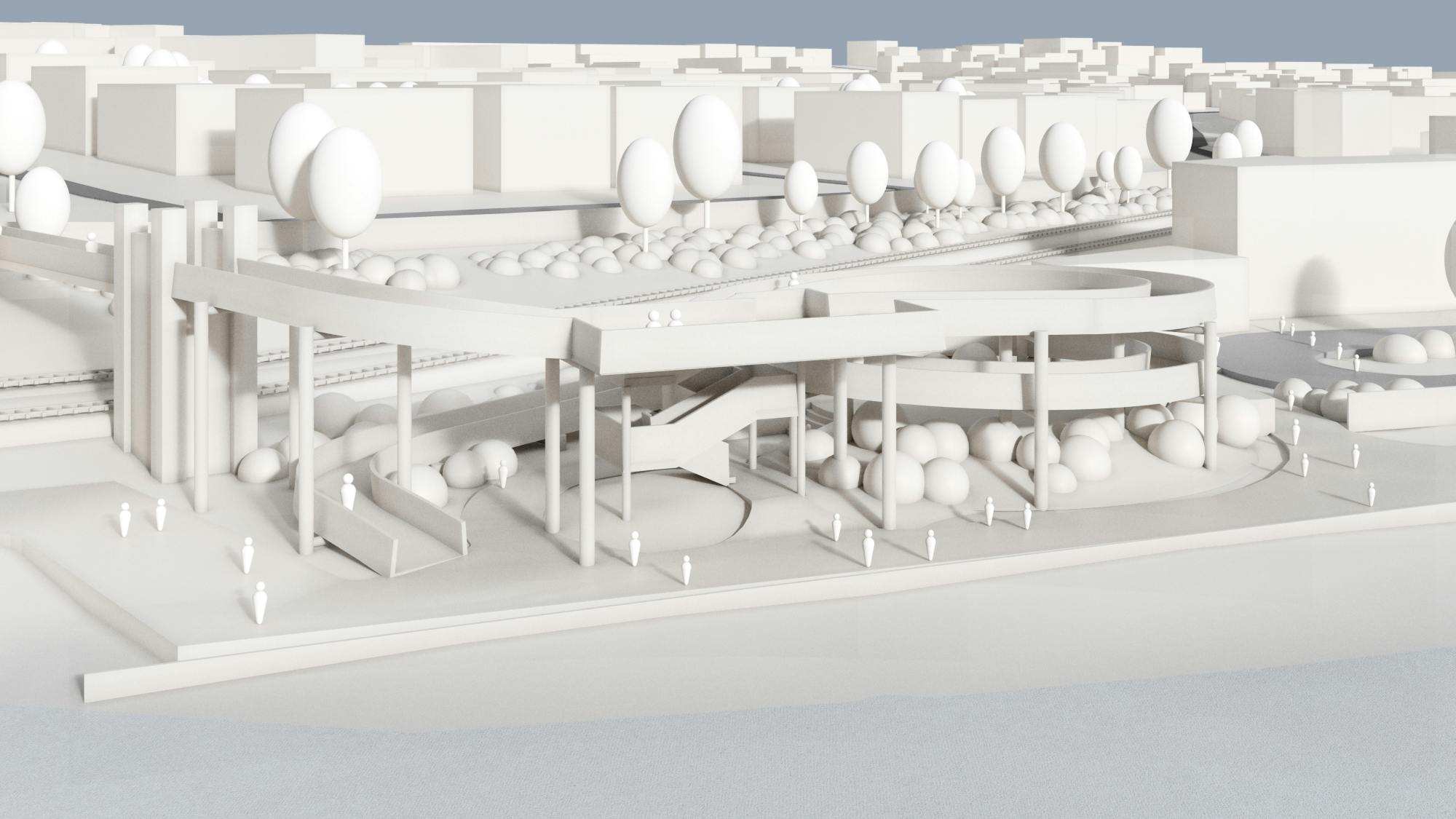
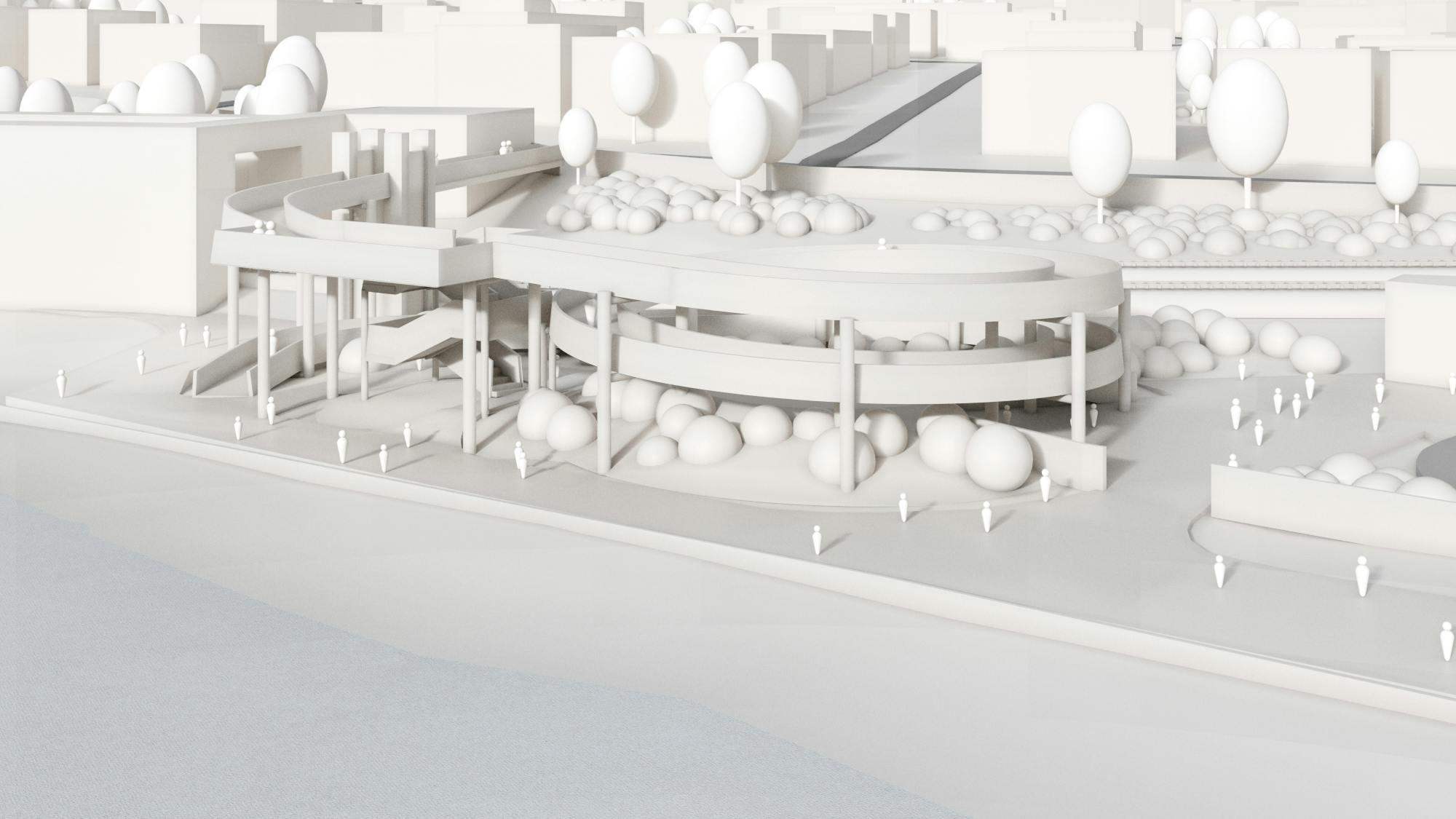
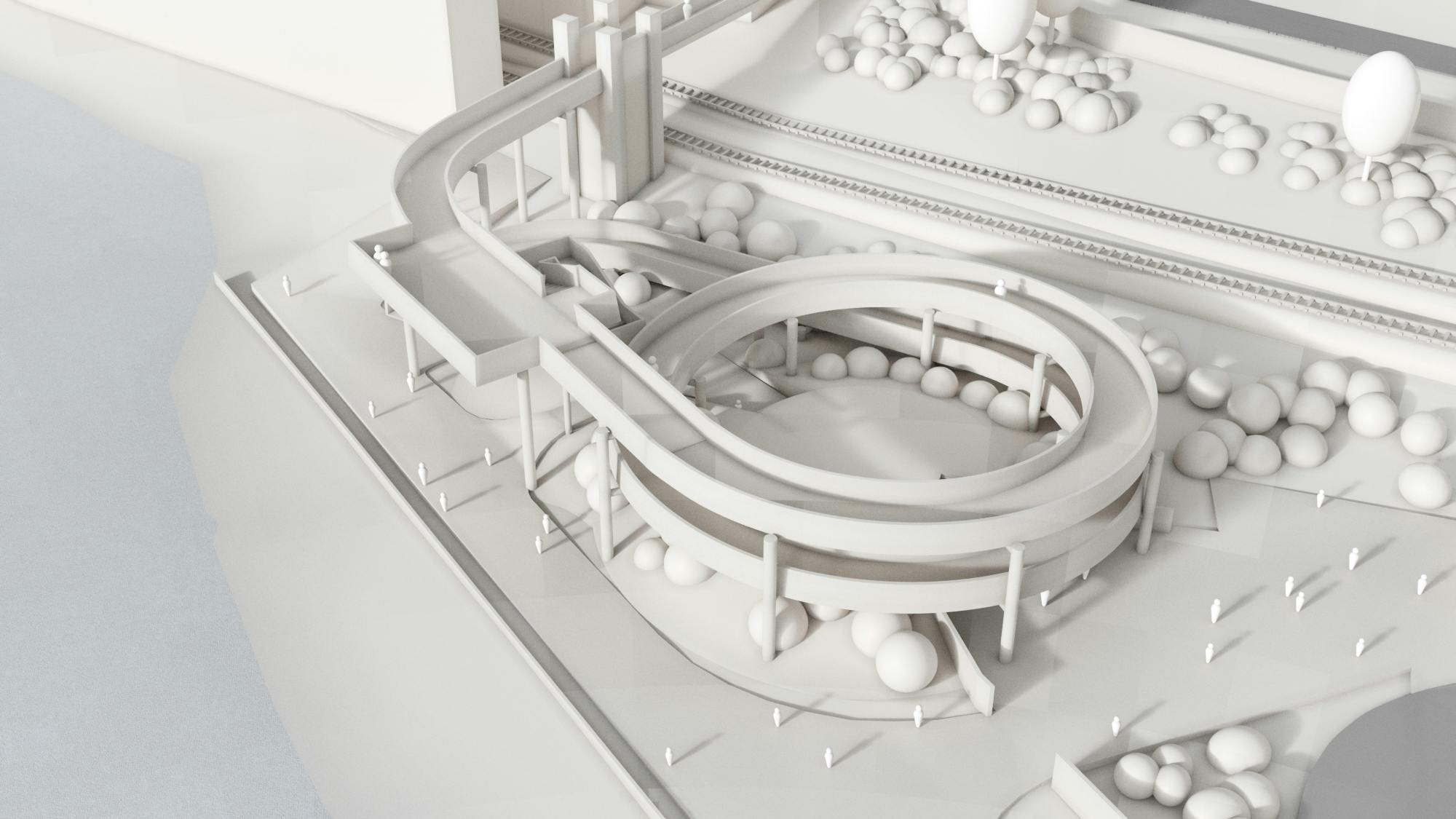
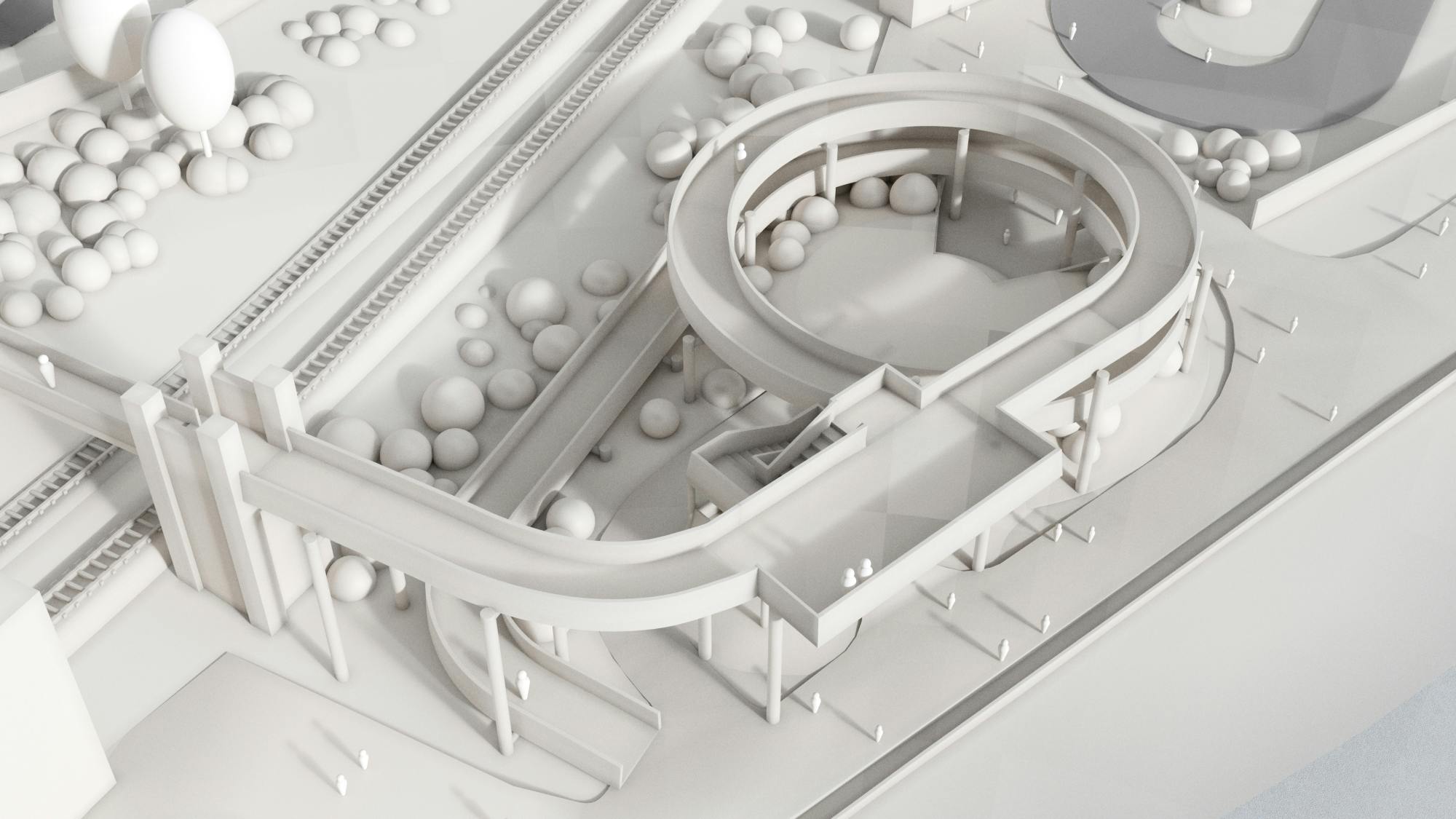
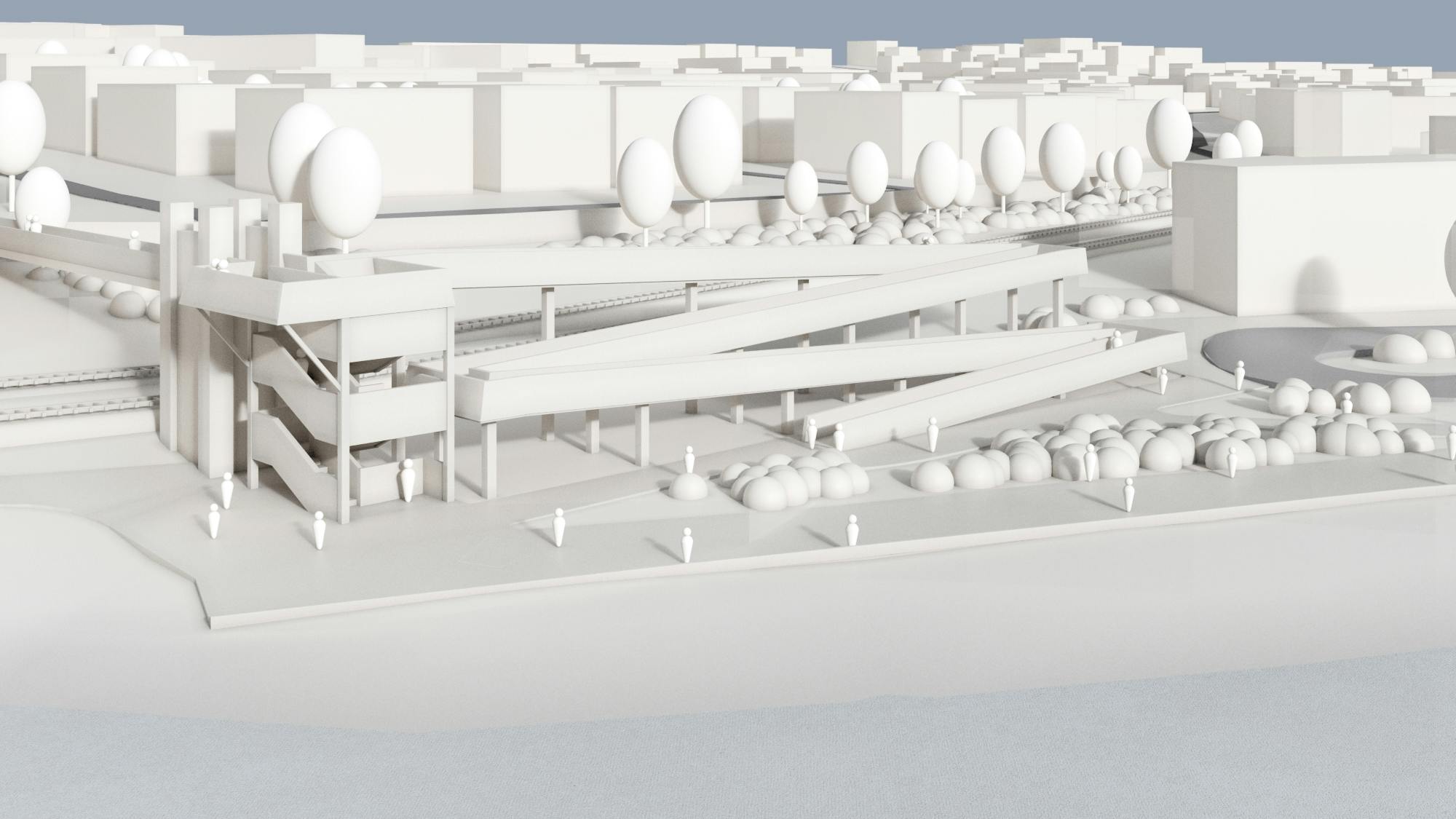
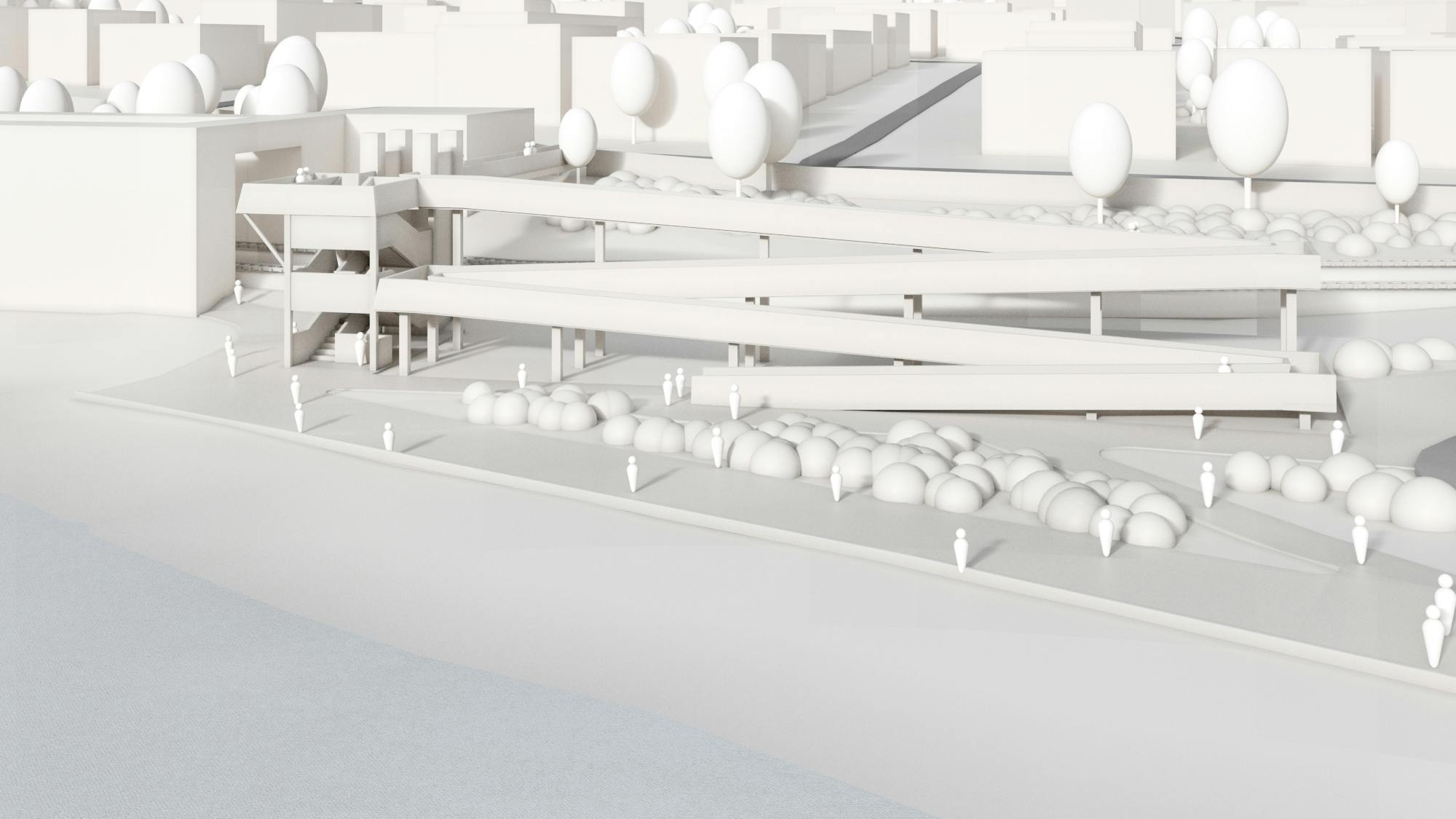
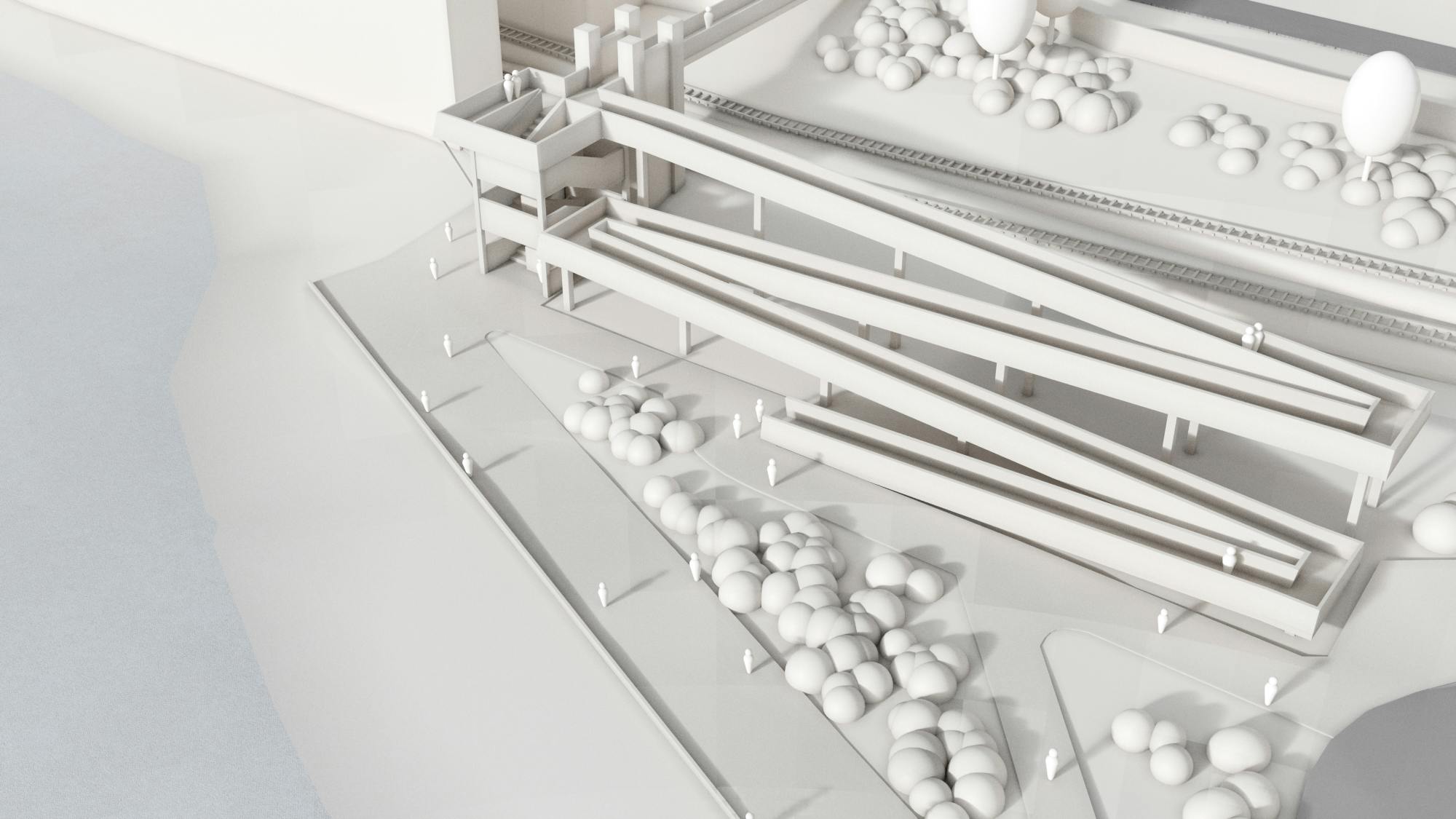
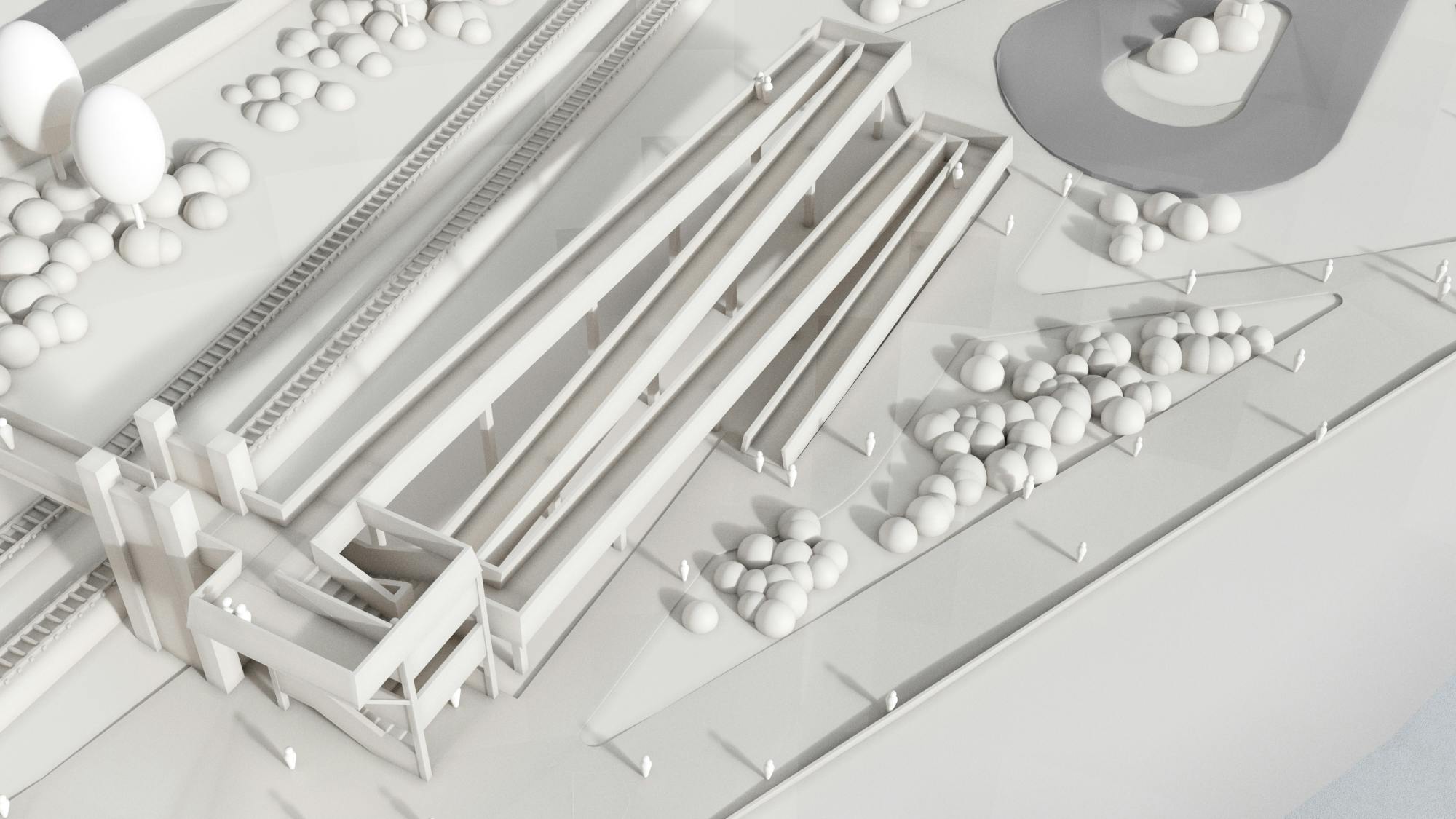
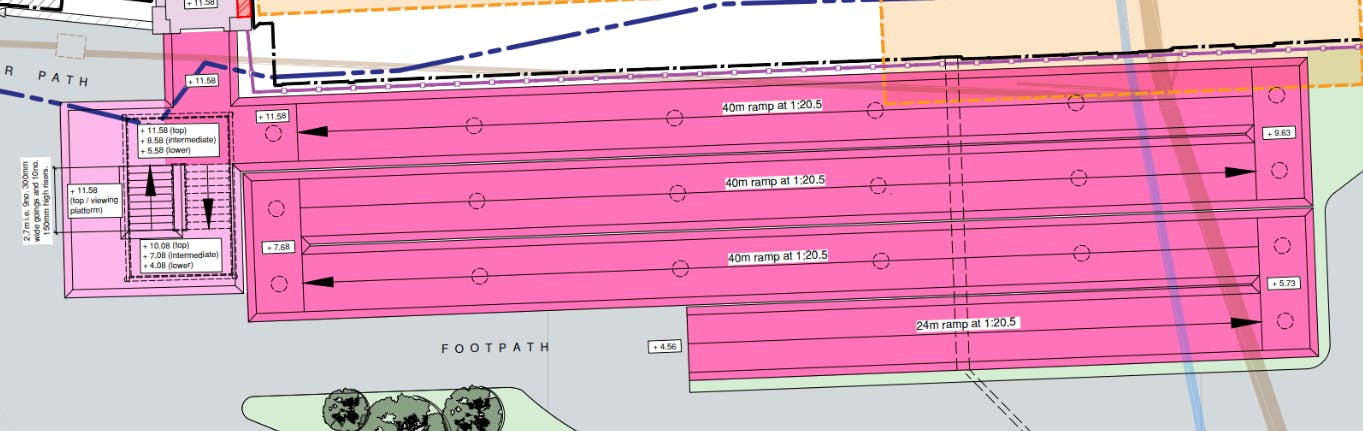
Option 3 - the image illustrates a top-down view of a promenade and beach area, featuring a traditional ramp system designed to meet current accessibility guidance. The purple (magenta/pink) ramp on the plan is a long, accessible, and gently sloping ramp that facilitates the transition from a higher elevation (the Network Rail Footbridge from the side of the Station) down towards a lower elevation (at promenade/beach level). This ramp consists of four segments, with the upper three sections measuring 40m and the lowest section measuring 24m. The ramp maintains a consistent gradient of 1:20.5, making it suitable for wheelchairs and pedestrians alike. This design aims to replicate the success of the previous Chalkwell Ramp while ensuring it complies with modern accessibility standards.